Part 1: How manufactured homes present opportunity for homebuyers and lenders
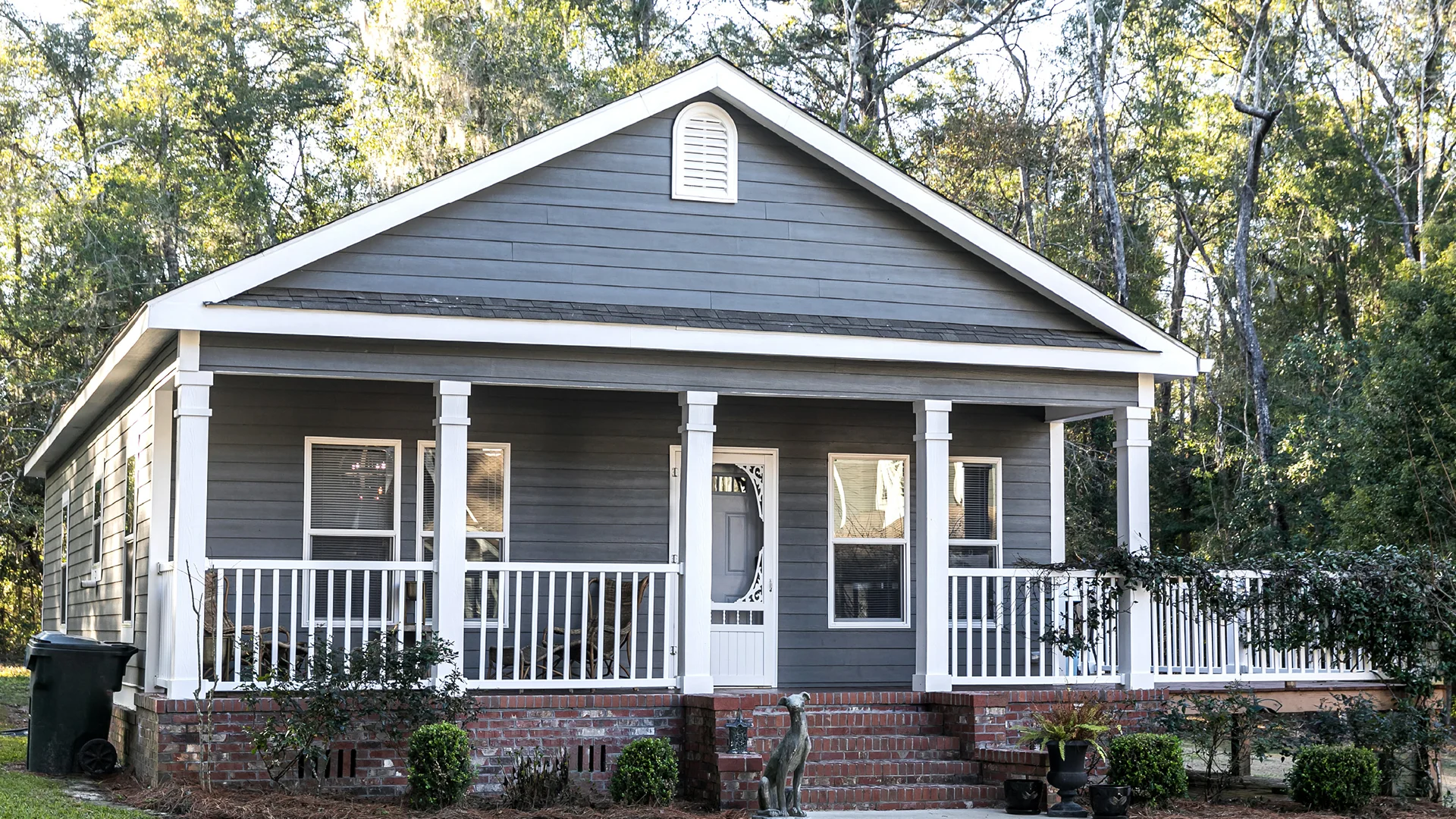
As consumers see a more affordable path to homeownership, lenders see the potential for a new revenue stream.
Market conditions have made it tough for many consumers to achieve their homeownership goals over the past few years, as high home prices and interest rates, low inventory and bidding wars have stubbornly stood in their way. Manufactured homes emerged as a viable option that have become increasingly popular for first-time homebuyers as well as anyone looking for a more affordable alternative to traditional on-site building.
“Manufactured home builders are stepping up to address the housing shortage and affordability issue to help satisfy demand for single-family homes,” says Dave Howard, executive vice president of origination sales. “While unit construction is nowhere near what it was back in the ’90s, it has been growing steadily since the real estate crash of 2008. As momentum continues, this market holds opportunities for not only homebuyers but also lenders looking for another potential source of loans in today’s higher-interest-rate market.”
Notably, manufactured homes and site-built homes have appreciated at roughly the same rate, up 219.1 percent and 219.9 percent, respectively, since 2000. With this reality, many lenders are giving manufactured home mortgages a fresh look. Meeting borrowers where they are goes a long way toward building loyalty as well as revenue.
The basics of manufactured homes
The term “manufactured home” includes both modular and mobile homes. In contrast to “stick-built homes” — wood-frame homes constructed on the property site — these homes are built inside a manufacturing plant or warehouse and later transported to the owner’s property. The controlled setting and production processes make them less expensive to build and less prone to vandalism than their stick-built counterparts. Plus, they take about 40 percent less time to build than a traditional site-built home.
Industry veteran Tamara Clawson, account executive, origination title and close, explains the differences between modular and mobile homes: “Modular homes have a wood base frame. Section by section, they are placed on top of a trailer and taken to their respective properties for setup. Mobile homes, on the other hand, are steel-framed — the trailer is the base of the home — so it has wheels, tires and axles to transport it. Once the home is placed on the property, the wheels, tires, axles and hitch can be cut off and either removed from the property or stored under the home.”
Shattering myths, overcoming obstacles
For years, negative perceptions persisted about manufactured homes: They weren’t as well-built as traditional homes, wouldn’t hold up as well under severe weather conditions, weren’t considered “real property,” and offered their homeowners no choice in materials and options. And while some of those criticisms may have been true a decade or more ago, today’s modular and mobile homes have, in Clawson’s words, “definitely upped their game.”
She shares, “In the past five to 10 years, the quality of the build has increased tremendously. The materials are high-quality, the homes are just as well-insulated as a traditional home and manufacturers offer homebuyers customization options — marble countertops or brass fixtures, for example — just as they would for a stick-built home. As far as being considered a ‘real’ home or real property, modular homes are automatically considered real property, and mobile homes become real property through the titling and conversion process.” While quality of homes has evolved, reports show a significant roadblock that continues to stand in their way: lack of widespread access to mortgage financing for manufactured homes. The current complex and time-consuming titling process, which differs by state, discourages some lenders from offering mortgage financing for these home purchases.
Susan Falsetti, managing director, origination title and close, says, “More lenders are getting into this space. Those who are succeeding understand the differences of insuring a manufactured home versus a stick-built home and have engaged experts in the titling and conversion process to ensure the work is done right. Manufactured home financing requires special care; taking shortcuts to get the loan closed quickly is not the right path.”
As home affordability and elevated interest rates continue to make the housing landscape difficult for today’s borrowers to navigate, manufactured housing presents an opportunity for lenders to provide a niche – but much needed – offering. For information on how ServiceLink can support your manufactured home lending needs, fill out the contact form below.